The Role of Transmission and Cooling Systems in Diesel Performance Tuning
A diesel tune that provides gains without sacrificing durability results from disciplined engineering, mainly involving transmission and cooling systems. Increased calibrations raise fueling, boost, heat, and torque. The transmission must handle this torque smoothly, while the cooling system must dissipate heat across various conditions. In Edmonton, AB, where cold winters and hot summers prevail, the interplay of these systems determines whether diesel tuning enhances power, fuel efficiency, and reliability or accelerates wear.
Transmission Strategy as a Force Multiplier
The transmission converts crankshaft torque into tractive effort. It acts as a force multiplier for any tune. Gear ratio spacing, control logic, and hydraulic or mechatronic control determine how well the engine stays in its most efficient operating range.
Architecture and Control: Manual, AMT, and Automatic
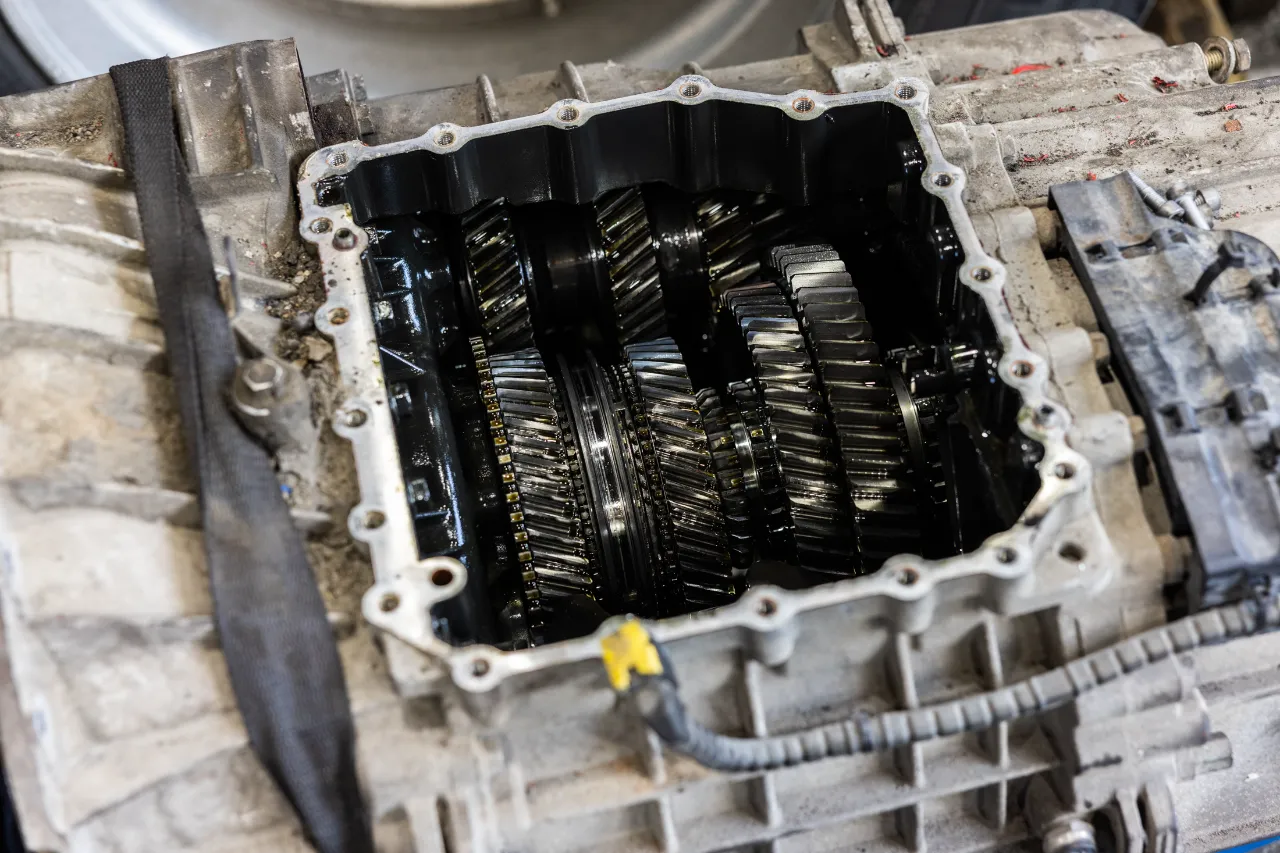
A manual gearbox offers direct control of gear shifts. As torque rises, clutch capacity, disc material, and pressure plate strength become vital. Gradual torque ramp rates within tune limits protect the transmission by reducing shock load and safeguarding parts. An automated manual transmission (AMT) retains manual internals but incorporates an electronic clutch and shifting mechanism. Proper calibration, particularly throttle intervention during shifts and gear logic on inclines, significantly impacts drivability and clutch temperature. Automatic transmissions include a torque converter and a mechatronic unit. Features like stall, lock-up, and line pressure affect slip, heat, and shift feel. Overall, the control strategy impacts engine performance.
Torque Converter and Lock-Up Strategy
In automatic transmissions, the torque converter multiplies torque at low speeds but causes heat through slip under load. An improved lock-up strategy engages the clutch early enough to reduce slip during steady pulls without causing chattering or engine lugging. Increasing line pressure carefully allows handling higher torque without harsh engagements. A well-structured schedule maintains drivability and reduces transmission fluid temperature, thereby improving driveline efficiency.
Shift Scheduling and Ratio Utilization
The shift schedule should keep the engine in the “useful torque plateau” instead of chasing peak power at high rpm. Wider gears with targeted fueling can smooth transitions, while skip-shifting reduces the number of shifts during light cruising. ECU tuning enables earlier upshifts and confident downshifts to maintain momentum and thermal margin.
Cooling Architecture as the Limiting Factor
Thermal management limits calibration. The primary cooling loop, comprising the radiator, water pump, thermostat, hoses, coolant, and cap, must efficiently transfer heat during idle, traffic, and highway driving. Auxiliary systems, including the transmission cooler, oil cooler, and charge-air cooling, help maintain fluid properties and reduce stress on components.
Primary Engine Loop: Coolant Quality, Flow, and Pressure
Heat rejection depends on the coolant's chemistry, flow rate, and pressure. A 50/50 ethylene glycol–water mix strikes a balance between freeze protection, corrosion resistance, and thermal capacity. Ageing or contaminated coolant loses additives and deposits scale, reducing radiator efficiency and heat transfer. Proper cap pressure raises the boiling point; a healthy pump ensures consistent flow. Thermostat choice impacts warm-up times and temperature stability; a faulty thermostat delays heat transfer when needed.
Airflow Management: Fan Clutch, Shrouding, and Grille Path
Airflow turns thermal potential into heat rejection. A responsive fan clutch supplies airflow at low speeds without wasting power at high speeds. Shrouding helps the fan pull air through the core, preventing it from recirculating hot bay air. Clean fins, clear grille pathways, and correct cooler stacking (charging air cooler before or separate from the radiator) prevent hotspots and pressure drops. In high-debris environments—such as construction zones, winter sand, or agricultural haulage—periodic cooling stack cleaning is crucial for optimal performance.
Auxiliary Cooling: Transmission and Engine Oil
A transmission cooler removes heat from converter slip and clutch operation, especially during start-stop cycles, city driving, or low-speed climbs. Plate or stacked-plate designs are more efficient than tube-and-fin units. Proper line routing and thermal bypass help maintain winter viscosity. The oil cooler stabilizes engine oil temperature and viscosity, supporting bearing strength and turbocharger health when cylinder pressure and exhaust temperatures rise. These auxiliaries reduce thermal fluctuations that could shorten service life.
Edmonton Operating Context
Regional conditions influence engineering priorities. In Edmonton, extreme cold demands reliable cold-start strategies and quick warm-up. Summer towing across the Prairies involves sustained thermal loads, crosswinds, and detours. Road salt, dust, and insects can clog fin efficiency, block the fan clutch sensor, or shroud gaps. A robust tune combines calibrated torque, verified cooling, clean airflow, and fluid formulas that perform from sub-zero mornings to hot afternoons.
Measurement and Validation: From Data to Decisions
Before calibrating, gather baseline data on coolant (ECT), engine oil (EOT), transmission fluid (TFT), intake air temperature (IAT), boost pressure, and gear or lock-up status. Use basic scan tools or detailed aftermarket controllers with thermocouples on coolers. After ECU tuning, repeat the route under similar conditions. Compare steady-state values, peak variations, fan engagement, and converter slip. Conduct a consistent load test cycle (urban stop-and-go plus highway) around Edmonton to reflect real-world duty cycles instead of a single dyno pull.
Practical Upgrade Path: Order of Operations
- Cooling System Service and Inspection: Replace old engine coolant, pressure-test the system, inspect hoses, verify water-pump flow, and clean the radiator/charge-air cooler. Check fan clutch engagement and shroud integrity.
- Auxiliary Cooler Right-Sizing: If TFT trends high under routine loads, upgrade the transmission cooler to a higher-efficiency core and review airflow access. For heavy towing or vocational work, consider ducting improvements and a thermostatic bypass to prevent winter overcooling.
- Transmission Health Verification: On manuals, verify clutch lifespan and release quality; adjust torque ramp-in to protect the friction pair. On AMT units, update clutch-kiss-point learns and refine shift maps to reduce heat during launch. On automatics, moderate line-pressure increases and optimize torque converter lock-up sequencing.
- Calibration Staging: Implement ECU tuning gradually, verifying temperature and drivability after each adjustment. Focus on shaping torque rather than increasing peaks; a smoother torque curve improves driveline efficiency and fuel economy with less thermal impact.
- Post-Tune Documentation: Record new baselines, including ambient conditions, payload, and route. This documentation supports maintenance planning and future diagnostics.
Reliability, Warranty, and Compliance Considerations
Performance modifications affect emissions controls and manufacturer coverage. Responsible diesel tuning respects aftertreatment ranges and prevents over-temperature conditions that cause frequent regeneration or catalyst stress. Cooling and transmission upgrades are typically neutral or improve reliability; however, record parts, fluids, and calibration adjustments to support service and regulatory compliance.
Recognizing Thermal Stress Early
Thermal issues often give warning signs such as high-speed fan activation, inconsistent transmission shifts, discoloured ATF or engine oil, rising IAT, and reduced hill-holding. Periodic fluid analysis helps detect varnish, oxidation, or wear metals early, preventing worsening.
Maintenance Intervals and Seasonal Preparation
Seasonal checks are wise in Alberta. Before winter, verify the coolant mix, cap, battery, and glow-plug systems for reliable starting, and ensure that thermostatic bypasses for the transmission cooler work properly to prevent overcooling. Before summer hauling, clean the cooling stack, replace worn belts and tensioners for the water pump and fan clutch, and inspect cooler lines for chafe points. Proactive maintenance preserves thermal headroom for optimal performance calibrations.
Quantifying Success: What “Better” Looks Like
A successful package results in lower converter slip, more decisive yet smooth shifts, less fan-on time under similar conditions, and stable TFT/EOT relative to payload. Fuel economy gains result from both tuning and improved driveline efficiency, achieved through optimized gear use and converter management. Driver workload reduces as the vehicle maintains gears predictably and climbs smoothly.
Pre-Tune Checklist
- Fresh engine coolant with verified concentration; pressure cap tests within specifications.
- Clean the radiator and charge-air cores; ensure the shrouding is intact; verify the responsive fan clutch.
- Leak-free lines to the transmission cooler and oil cooler; correct routing and clamps.
- Healthy ATF or gear oil; no burnt odour or metallic sheen.
- Verified clutch condition (manual/AMT) and updated learns (automated manual transmission (AMT))
- Baseline data logs for ECT, EOT, TFT, IAT, boost, gear, and lock-up states.
- Documented target outcomes for ECU tuning (towing performance, fuel efficiency, or drivability)
Conclusion
Responsible power delivery is more valuable than claimed power. Viewing transmission as a control system and cooling as a limiting factor turns diesel tuning into an engineering process. Lock-up and shift strategies, proper cooling capacity, a robust fan clutch, and good engine coolant maintain thermal margin for stronger calibrations. For Edmonton operators facing seasonal changes, this approach ensures reliability, confident acceleration, smooth climbs, and steady fuel efficiency.
Ready to proceed? Schedule a baseline assessment with Heavy Hauler Service & Repair in Edmonton, AB. Establish accurate baselines, validate transmission strategy, and align cooling capacity with your goals to ensure reliable improvements year-round.
.webp)